

Introduction
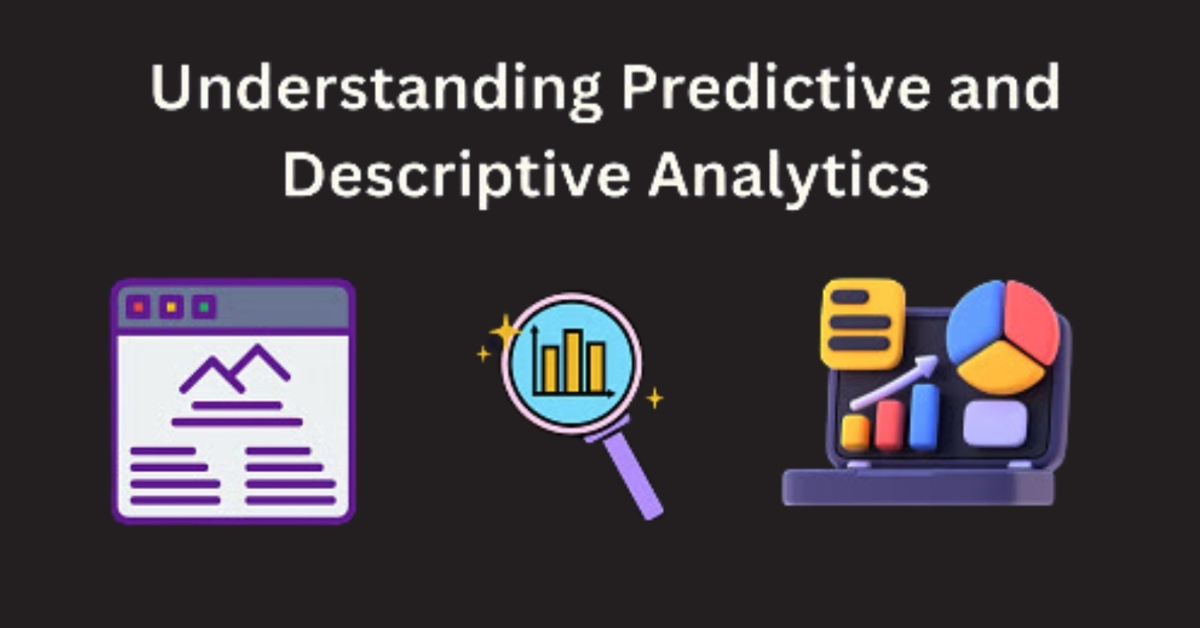
In today’s data-driven world, analytics are crucial in shaping marketing strategies. Businesses rely on data insights to understand customer behavior, improve engagement, and increase conversions. Two of the most commonly used marketing analytics types are predictive analytics and descriptive analytics. While both help marketers make informed decisions, they serve different purposes and offer distinct advantages.
Understanding predictive and descriptive analytics can help businesses make smarter marketing decisions and create more effective campaigns. Let’s explore how each works and when to use them.
What is Descriptive Analytics?
Descriptive analytics involves analyzing past data to understand what has already happened. It summarizes historical trends, customer behaviors, and marketing performance to help businesses evaluate their past strategies.
Key Features of Descriptive Analytics:
- Collects and organizes historical data
- Identifies patterns and trends in customer behavior
- Helps businesses evaluate past campaign performance
Examples in Marketing:
- Social Media Engagement Reports: Analyzing past likes, shares, and comments to see which content performed best.
- Email Marketing Metrics: Review open and click-through rates to optimize future email campaigns.
- Sales Performance Reports: Tracking revenue growth and seasonal trends to adjust marketing efforts.
Why It Matters:
Descriptive analytics provides valuable insights into past marketing efforts, helping businesses understand what worked and what didn’t. This information is crucial for improving future campaigns and optimizing marketing budgets.
What is Predictive Analytics?
Predictive analytics uses historical data, statistical modeling, and machine learning to forecast future trends. It helps marketers anticipate customer behavior, optimize campaigns, and personalize experiences.
Key Features of Predictive Analytics:
- Uses data patterns to predict future customer actions
- Helps marketers forecast sales trends and customer preferences
- Uses machine learning and AI to improve accuracy over time
Examples in Marketing:
- Customer Churn Prediction: Identifying customers likely to stop engaging and creating targeted retention strategies.
- Personalized Product Recommendations: Using browsing and purchase history to suggest products to individual customers.
- Ad Targeting Optimization: Predicting which demographics will respond best to specific ads, improving ad spend efficiency.
Why It Matters:
Predictive analytics helps businesses anticipate market trends, allowing them to proactively adjust their marketing strategies rather than reacting to past performance.
Descriptive vs. Predictive Analytics: When to Use Each?
- Use Descriptive Analytics when analyzing past marketing efforts to improve future campaigns.
- Use Predictive Analytics to forecast trends and personalize marketing strategies based on future customer behavior.
A combination of both descriptive and predictive analytics allows businesses to make data-driven decisions that maximize marketing impact.
Conclusion
Descriptive and predictive analytics are essential for marketers looking to improve customer engagement, optimize campaigns, and drive revenue. While descriptive analytics helps businesses understand past performance, predictive analytics enables them to anticipate and prepare for the future. By leveraging both, companies can create more targeted, effective, and efficient marketing strategies.
#MarketingAnalytics #PredictiveAnalytics #DescriptiveAnalytics #DataDrivenMarketing #MarketingStrategy #CustomerInsights #DigitalMarketing #BusinessGrowth