Content Distribution Strategy in 2026: How to Get More Value From Every Piece of Content

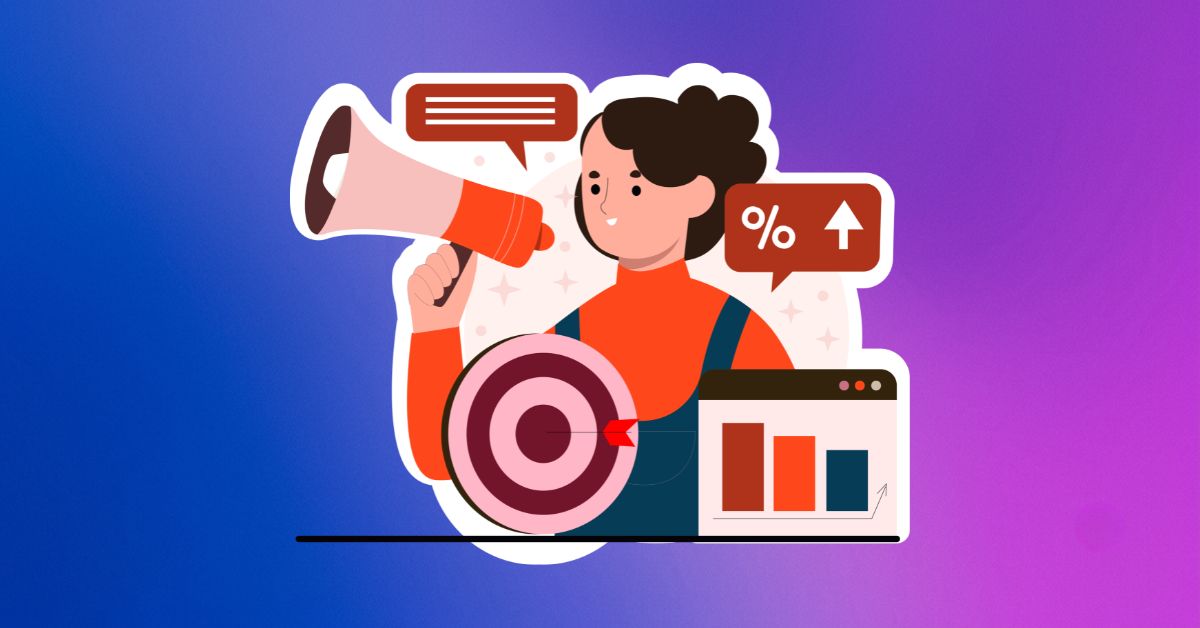
Creating a strong piece of content takes time, research, and careful planning. Yet many businesses publish an article once, share it briefly, and move on to the next idea. That approach leaves much of the content’s potential unused.
In 2026, effective content marketing depends on distribution as much as creation. Audiences are spread across search engines, email, social networks, professional communities, video platforms, and AI-powered discovery experiences.
A thoughtful distribution strategy places each message in the right channel, format, and moment instead of expecting people to find it on their own.
Before choosing channels, decide what the content should achieve. The goal may be awareness, website traffic, newsletter sign-ups, qualified leads, customer education, or retention. One asset can support several outcomes, but it still needs a primary purpose.
The objective determines the audience, message, call to action, and measurements. Without it, distribution can become a collection of disconnected posts that generate activity without meaningful progress.
Do not publish everywhere simply because a platform is available. Identify where your intended audience searches, learns, discusses problems, and makes decisions.
A technical guide may perform well through search and email, while a visual demonstration may be better suited to short-form video.
Channel selection should also reflect your team’s ability to participate consistently. A smaller number of well-managed channels is usually more effective than an inactive presence across many platforms.
Distribution is not copying the same caption into every channel. Preserve the central idea, but adjust the presentation to match how people consume information in each environment.
A detailed article can become a short video, a carousel, an email lesson, a discussion prompt, or a concise executive summary. Each version should provide standalone value while guiding interested users toward the complete resource.
Owned channels such as your website, mailing list, and community provide control and long-term value. Earned distribution comes from mentions, shares, partnerships, and contributions. Paid promotion can extend proven content to carefully selected audiences.
Using these approaches together reduces dependence on a single algorithm. Begin with owned distribution, encourage credible sharing, and invest in paid reach when performance data shows that the message is resonating.
A useful asset deserves more than one promotional moment. Plan an initial launch, follow-up posts, audience-specific variations, and future resurfacing when the subject becomes relevant again. Space these activities so the campaign remains visible without becoming repetitive.
Businesses seeking support with scheduling, content adaptation, and campaign coordination can find capable digital professionals through PA2Assist.
Track results according to the original objective. Useful indicators may include qualified traffic, saves, replies, subscriber growth, assisted conversions, leads, or customer engagement. Compare channels and formats to understand which combinations create value.
Content distribution in 2026 is an ongoing system of publishing, learning, adapting, and redistributing. When every asset has a clear route to its audience, businesses can achieve more without constantly increasing production.
#PA2Assist #ContentDistribution2026 #ContentMarketing #ContentStrategy #DigitalMarketing #ContentRepurposing #MarketingChannels #AudienceGrowth #CampaignPlanning #BusinessGrowth