

Introduction
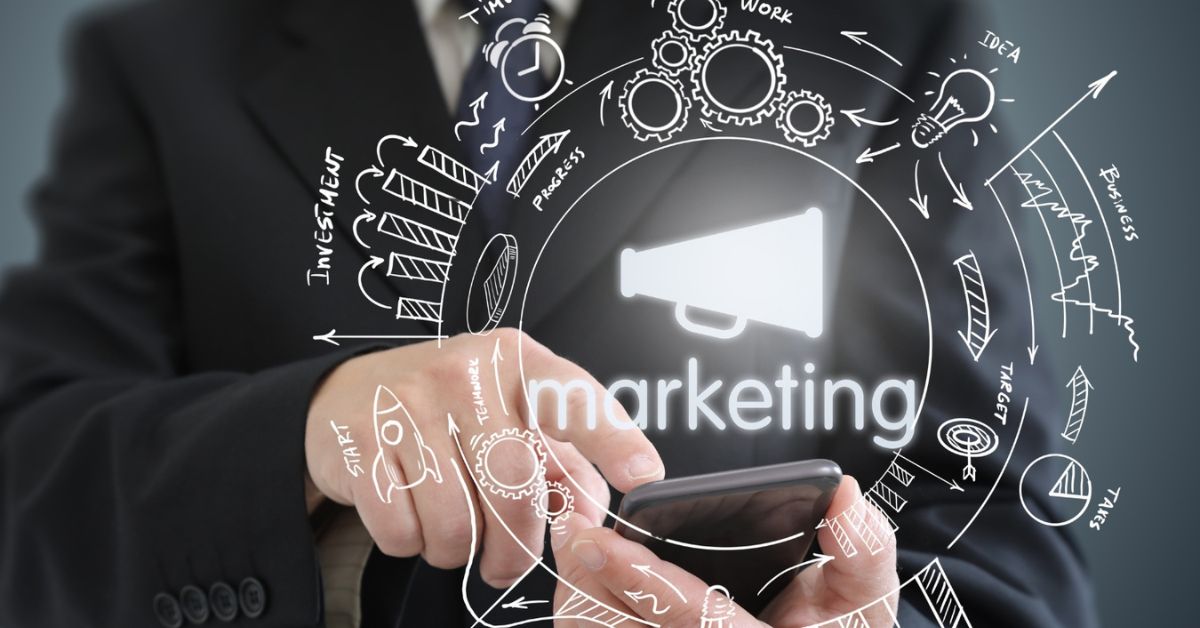
In today’s competitive market, small businesses face unique challenges when it comes to marketing. Limited resources, tight budgets, and a constantly changing digital landscape can make it difficult to stand out. However, data-driven marketing is one powerful tool small businesses can leverage to gain an edge. Companies can craft targeted, effective marketing strategies that deliver measurable results by using data to inform decisions.
Here’s how small businesses can harness data to shape their marketing efforts and drive growth.
1. Understand Your Customers with Data Insights
Small businesses must first understand their customers to create an effective marketing strategy. Data-driven marketing begins with gathering insights about your customers, their wants, and their behavior. You can collect this data from various sources, including social media analytics, website traffic, and email campaigns. Tools like Google Analytics and Facebook Insights can provide valuable customer demographics, preferences, and behavior data.
Why it matters:
Targeted messaging: Data allows businesses to tailor their messaging to specific customer segments, ensuring the right message reaches the right audience.
Customer-centric approach: By understanding your customers, you can create personalized marketing campaigns that resonate with their needs and preferences.
2. Track and Analyze Campaign Performance
One of the biggest advantages of data-driven marketing is the ability to track the performance of your marketing campaigns in real time. Whether you’re running paid ads, email newsletters, or social media campaigns, monitoring your metrics—such as click-through rates (CTR), conversion rates, and return on investment (ROI)—will provide insights into what’s working and what isn’t.
Why it matters:
Optimization: With data on campaign performance, businesses can make informed adjustments to improve results, such as tweaking ad copy, targeting different audiences, or adjusting budgets.
Increased ROI: By analyzing performance data, small businesses can focus their marketing spend on the channels and strategies that deliver the best returns.
3. Leverage Social Media Analytics
Social media platforms offer a wealth of data to help businesses improve their marketing strategies. Social media analytics tools like Instagram Insights, Twitter Analytics, or LinkedIn Analytics provide data on user engagement, audience demographics, and content performance. By analyzing these insights, small businesses can refine their social media strategies to reach a wider audience and foster greater engagement.
Why it matters:
Content optimization: With data on what types of posts get the most engagement, businesses can refine their content strategy to create more of what resonates with their audience.
Community building: Social media data helps small businesses connect with their followers and build strong, loyal communities.
4. Use Data to Refine Your Targeting and Personalization
Data-driven marketing allows small businesses to fine-tune their targeting and personalization efforts. By analyzing customer data, companies can identify key segments based on location, age, buying behavior, and interests. With this insight, small businesses can tailor their marketing campaigns to meet the specific needs of each group.
Why it matters:
Improved customer experience: Personalized marketing makes customers feel valued, increasing engagement, satisfaction, and loyalty.
Higher conversion rates: Tailored content and offers are more likely to convert as they speak directly to the customer’s needs and preferences.
5. Embrace Email Marketing with Data
Email marketing remains one of the most effective channels for small businesses, and when combined with data, it can become even more powerful. By segmenting your email list based on user behavior and preferences, you can send highly personalized and relevant content to your audience. Tracking opens, click-throughs, and conversion rates will help you continually optimize your email campaigns.
Why it matters:
Enhanced targeting: Data allows you to send the right message to the right people at the right time, increasing the likelihood of conversions.
Long-term relationships: Consistently delivering value through data-driven email campaigns can help foster lasting relationships with customers.
Conclusion
Data-driven marketing isn’t just for large corporations—it’s a powerful tool that small businesses can use to optimize their marketing efforts, improve customer engagement, and drive growth. By leveraging customer insights, tracking campaign performance, and using social media and email analytics, small companies can make more informed decisions, maximize ROI, and build long-term relationships with their audience.
The key to success in today’s competitive market is using data to inform every aspect of your marketing strategy. With the right tools and mindset, small businesses can achieve measurable success through data-driven marketing.
#DataDrivenMarketing #SmallBusinessMarketing #MarketingStrategy #CustomerEngagement #SocialMediaMarketing #EmailMarketing #BusinessGrowth #MarketingOptimization #Analytics #ROI #SmallBusiness