The “Waiting On” List: How a Virtual Assistant Stops Client Decisions From Stalling Work



A project can look busy without actually moving. The virtual assistant has drafted the email, prepared the document, researched the options and scheduled the next steps. But the work is still not complete because it needs one thing from the client: approval, feedback, a password, a final decision or a missing file.
This is where many businesses lose momentum. The task may sit quietly in a project board. It may be buried in an inbox thread. The client may believe everything is under control, while the VA is waiting politely and unsure how often to follow up.
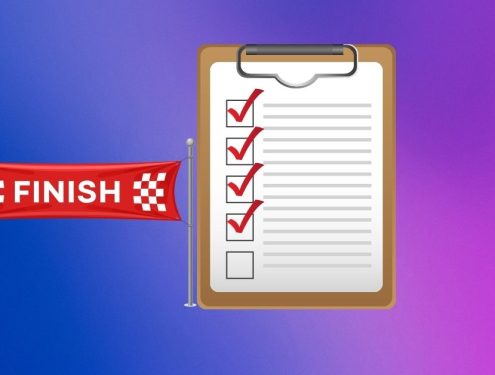
A “waiting on” list solves this problem. It creates one clear place for work that cannot move forward until someone else responds.
Most task lists show what needs to be done. They do not always show what is blocked. A task such as “Send campaign” may look open because it has not been completed. But the real issue may be that the campaign has been ready for three days and is waiting for the client to approve the final wording.
That difference matters.
If the task simply remains on a general to-do list, it can look like the VA has not acted. If it is marked as “waiting on client approval,” everyone can see that the next move belongs to someone else. A waiting-on list turns hidden delays into visible decisions.
The list should include any item that is ready to move but requires an external response.
This may include:
The key test is simple: can the VA complete the next action without someone else providing something? If the answer is no, the item belongs on the waiting-on list.
A good waiting-on list does not just say “waiting.” It says who is expected to respond.
For example:
This removes ambiguity. A client can see immediately whether the delay belongs to them, another colleague, a supplier or a customer.
It also helps the VA avoid sending vague follow-ups such as “Just checking in.” A clear owner makes it easier to send a useful message with context.
Every waiting-on item should include the date it was raised and the impact of no response.
For example:
Waiting on: Approval of final social media copy
Requested: Monday, October 6
Impact: Campaign cannot be scheduled for Thursday without approval
Next follow-up: Wednesday, October 8
This structure helps the client understand that a delay is not simply an administrative inconvenience. It may affect a deadline, a customer commitment or a planned launch.
It also keeps the VA from chasing everything too soon. Some items need a same-day follow-up. Others can wait several days. The urgency should depend on the impact, not just the discomfort of waiting.
A waiting-on list should help the VA follow up professionally without becoming a source of pressure.
A useful rhythm might be:
The tone matters. Instead of writing, “I still have not received your approval,” try:
“Just a reminder that I need approval on the final copy by 3 p.m. tomorrow to keep Thursday’s launch on schedule. Please let me know if you would prefer to move the launch date.”
This keeps the message practical. It gives the client a clear choice rather than making them feel criticised.
If a client becomes unavailable entirely, the issue moves beyond a normal reminder. In that situation, a VA should follow a clear continuity process rather than make assumptions; see The Client Went Offline: A 72-Hour Continuity Plan for VAs.
The waiting-on list becomes especially valuable during weekly meetings or short client updates.
Instead of reading through every task completed, the VA can highlight only the items that need attention:
This gives the client a quick view of where their input matters most. It also protects the VA. When deadlines shift because information or approvals were not provided, there is a clear record of what was requested and when.
The purpose is not to prove that someone is holding up the work. Clients are busy. They may be travelling, dealing with urgent issues or simply unaware that a small approval affects several other tasks. The waiting-on list should make work easier, not create tension.
A strong VA uses the list to anticipate bottlenecks. If a client usually takes several days to approve content, the VA can request approval earlier. If a supplier often delays confirmation, the VA can build more time into the schedule.
Over time, the list becomes a source of useful patterns. It shows where processes need to improve.
Waiting does not mean doing nothing. While an item is blocked, the VA can prepare the next stage, gather alternatives, draft reminders, update deadlines or move forward on work that does not depend on the decision. The waiting-on list simply makes the dependency visible.
That visibility is powerful. It stops tasks from disappearing into silence and helps clients understand where a small response can unlock a much larger piece of work.
The most valuable virtual assistants do not only manage tasks. They manage momentum.
A clear waiting-on list helps identify blocked work, assign responsibility and turn vague delays into specific next steps. It gives clients a simple way to respond to what matters most and helps a VA keep the entire business moving forward.
For businesses that want clearer workflows and more dependable support, PA2Assist can help turn everyday delegation into an organised operating system.
#VirtualAssistant #ClientCommunication #BusinessWorkflow #TaskManagement #Productivity #Delegation #PA2Assist