Across Time Zones: Navigating Global Personal Assistant Services with Finesse

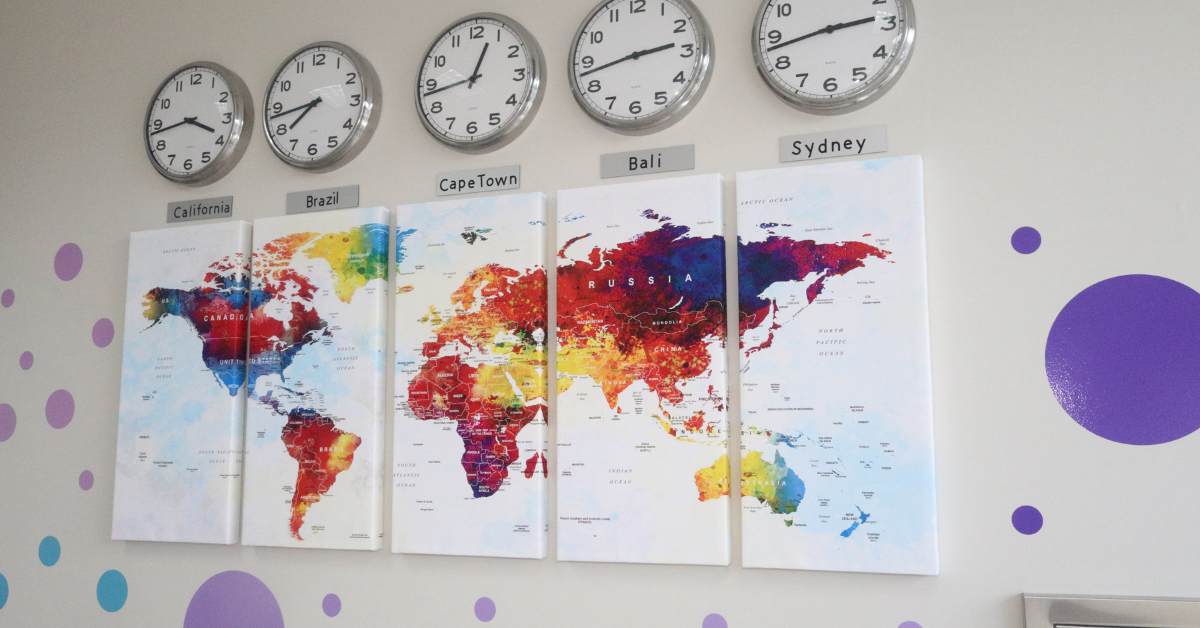

In the interconnected world of global business, personal assistants play a pivotal role in providing seamless support across different time zones. As businesses expand internationally, the challenges of coordinating schedules and tasks become more complex. In this blog, we’ll explore tips and strategies for personal assistants to navigate time zones effectively and ensure uninterrupted support for their global clientele.
A fundamental skill for global personal assistants is mastering world clocks. Utilize digital tools or applications that display multiple time zones simultaneously. This visual aid helps you stay aware of the time differences and plan activities accordingly.
Collaborate with your executive or team to establish core working hours that accommodate key members across various time zones. This ensures a dedicated time slot for collaboration, meetings, and real-time communication.
Time zone converters are valuable tools for scheduling meetings and coordinating activities. Platforms like WorldTimeBuddy or time zone features in scheduling apps can assist in finding suitable time slots that accommodate participants from different regions.
Maintain a unified calendar that incorporates the working hours and availability of team members in different time zones. This shared calendar becomes a central reference point, reducing the risk of scheduling conflicts and ensuring everyone is on the same page.
Establish clear communication guidelines that consider time zone differences. Emphasize asynchronous communication methods, such as email or project management tools for non-urgent matters. For real-time communication, provide ample notice and flexibility.
Leverage collaboration tools that facilitate communication and project management. Platforms like Slack, Microsoft Teams, or Zoom enable real-time interaction while accommodating team members in disparate time zones.
For businesses with a global presence, consider implementing a follow-the-sun model. This involves organizing work tasks to follow the natural progression of daylight across different regions, ensuring continuous productivity.
Embrace flexible work arrangements that accommodate the needs of global personal assistants. This may include staggered work hours or occasional flexibility in scheduling to align with key activities in different time zones.
Pre-schedule routine and non-urgent tasks to be completed during the working hours of specific regions. This proactive approach minimizes delays and ensures that tasks progress smoothly without unnecessary waiting.
Time zones not only dictate working hours but also influence cultural nuances. Personal assistants should engage in continuous learning about the cultural practices and holidays of the regions they support, ensuring sensitivity to diverse working environments.
Mastering time zones is crucial for global personal assistants to provide precision and support to executives and teams, regardless of geographic location. This skill is not only necessary but also a strategic advantage in the dynamic global business landscape.
#GlobalPA
#TimeZoneManagement
#GlobalCollaboration
#RemoteWorkAcrossTimeZones
#VirtualAssistantGlobal
#TimeDifference
#WorkAcrossContinents
#WorldClockSkills
#TimeZoneStrategies
#GlobalTeams
#UnifiedCalendar