

Introduction
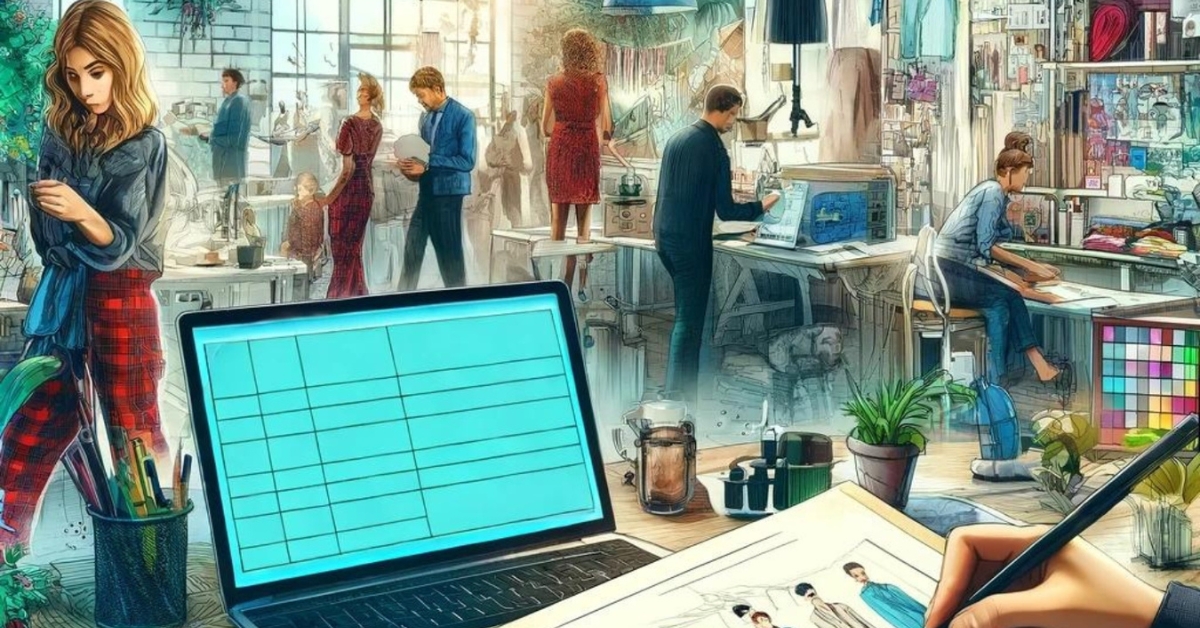
The fashion industry is embracing advanced technology, with personal assistants powered by AI enhancing efficiency and creativity in designers’ workflows. These digital aides are not just administrative but also integral to the creative process, providing support from the drafting table to the runway.
Streamlining Design Processes
In the world of fashion, time is often of the essence, and efficiency can be as crucial as aesthetic appeal. AI-powered personal assistants help designers by managing routine tasks such as scheduling, client communications, and inventory management. This automation frees up designers to focus more on the creative aspects of fashion design, such as sketching, fabric selection, and conceptual development.
Enhancing Creative Inspiration
Personal assistants can also serve as a source of creative inspiration. They can analyze current trends across the globe by sifting through vast amounts of data from recent runway shows, social media posts, and consumer sales information. Using this data, AI can suggest emerging trends that align with a designer’s style or propose entirely new concepts that could appeal to the market. This capability enables designers to stay ahead of trends and make informed decisions about their collections.
Facilitating Material Sourcing and Management
Sourcing materials can be a complex and time-consuming process, especially when looking for unique textiles or sustainable options. Personal assistants can streamline this aspect by finding suppliers, comparing prices, and even forecasting the quantity of materials needed based on the designer’s previous projects and current trends. This not only saves time but also helps reduce waste and costs by optimizing material use.
Improving Collaboration and Communication
Collaboration is key in the fashion industry, where multiple stakeholders, from textile manufacturers to marketing teams, need to work closely together. Personal assistants facilitate this by improving communication and coordination. They can manage group schedules, send reminders for meetings, and even assist in virtual fittings and design sessions, ensuring that all team members are synchronized and productive.
Supporting Sales and Marketing
Once a collection is ready, personal assistants can aid in marketing and sales strategies. They analyze customer feedback and sales data to identify the most popular designs or suggest adjustments to less popular items. AI tools can also help in creating targeted marketing campaigns by identifying key demographics and consumer preferences and optimizing the reach and impact of promotional efforts.
Addressing Ethical Considerations
As personal assistants become more involved in creative processes, ethical considerations must be addressed, particularly concerning the authenticity and originality of designs. It’s crucial to maintain a balance where AI supports and enhances human creativity without overshadowing the designer’s personal touch and vision.
Conclusion
Personal assistants are revolutionizing the fashion industry by improving efficiency, enhancing creativity, and simplifying complex processes. As AI tools evolve, they offer designers the potential to innovate and meet evolving fashion demands, leading to significant advancements.
#FashionTech #AIinFashion #FashionDesign #DigitalAssistance #CreativeTechnology #FashionInnovation #SustainableFashion #TrendForecasting #FashionIndustry #FutureOfFashion