Introduction
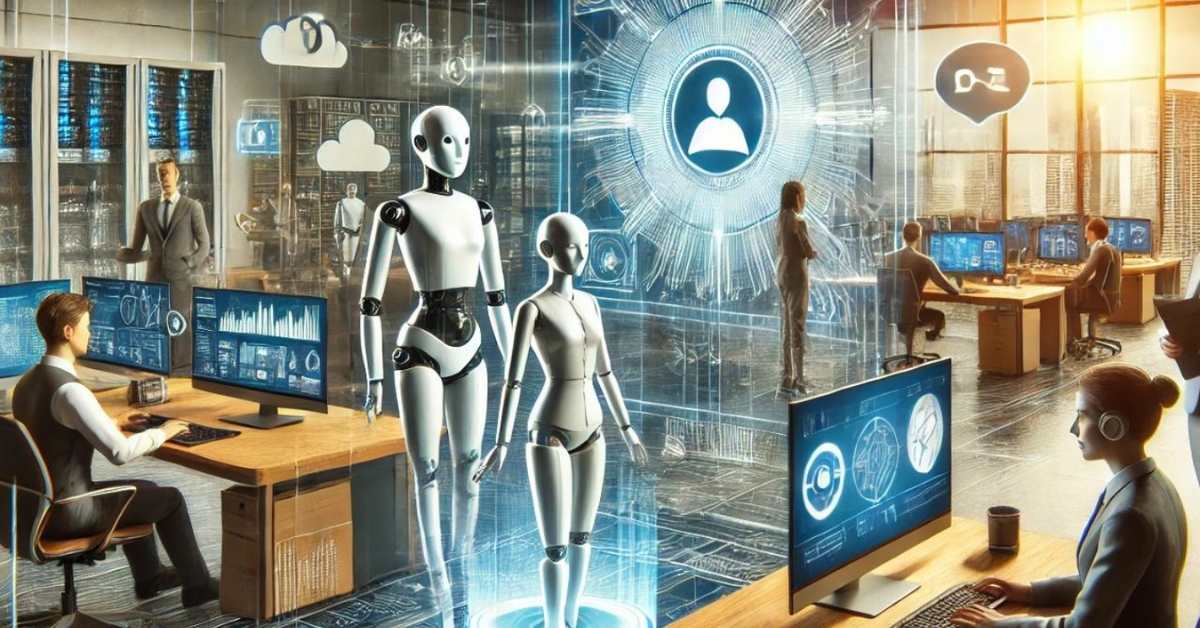
The IT industry is embracing personal assistance services to improve efficiency and streamline operations. These services cover technical support, project management, and strategic planning. This blog explores how these services can be integrated into the industry.
1. Role of Personal Assistants in IT
Personal assistants (PAs) in the IT industry go beyond traditional secretarial roles by taking on tasks that require a deeper understanding of technology. These might include:
- Managing Technical Support Tickets: Acting as the first point of contact for internal tech support queries, helping to categorize and prioritize issues before they reach technical staff.
- Project Coordination: Assisting project managers with scheduling meetings, compiling project status reports, and maintaining documentation to ensure projects run smoothly and on schedule.
- Enhancing Communication: Coordinating communication between different departments and teams, especially in large tech companies where projects often involve cross-functional collaboration.
2. Technological Tools for Personal Assistants
To effectively integrate into an IT environment, personal assistants need to be equipped with the right tools. These include:
- Project Management Software: Tools like Asana, Jira, and Trello allow PAs to keep track of project timelines, deliverables, and dependencies, ensuring that all parts of the project lifecycle are aligned.
- CRM Systems: Customer relationship management (CRM) systems help manage external interactions and relationships that are vital for IT businesses, especially those in the B2B sector.
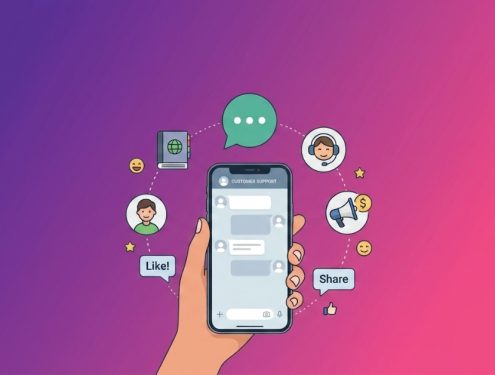
- Communication Platforms: Advanced knowledge of platforms like Slack, Microsoft Teams, or Zoom is essential for managing day-to-day communications and organizing virtual meetings efficiently.
3. Data Management and Security
In the IT industry, where sensitive data management is a critical component, personal assistants must be well-versed in:
- Data Privacy Laws: Understanding the basics of data protection regulations (such as GDPR or HIPAA) to manage data responsibly.
- Secure File Handling: Using secure methods for file sharing and storage ensures that confidential company information is protected against unauthorized access.
4. Support for Remote Work Environments
With the rise of remote work, especially in tech companies, personal assistants can play a crucial role in:
- Remote IT Setup: Assisting with the logistics of setting up secure and efficient home offices for team members.
- Virtual Office Management: Ensuring that online office environments are productive and engaging for remote staff, which may include organizing virtual team-building activities or managing digital workspace resources.
5. Continual Learning and Adaptation
The IT field is dynamic, with new technologies and methodologies emerging regularly. Personal assistants must continually update their skills through:
- Regular Training: Participating in workshops and courses to stay current with the latest technology trends and office productivity tools.
- Certifications: Obtaining relevant certifications that can enhance their understanding of the IT landscape, such as ITIL for IT service management or certifications in project management like PMP.
Conclusion
The integration of personal assistance in the IT industry represents a fusion of traditional administrative support with modern technological demands. As the industry continues to evolve, the role of personal assistants will likely expand further, becoming an integral part of how technology companies operate, innovate, and communicate.
#TechIndustry #PersonalAssistance #ITSupport #ProjectManagement #TechInnovation