

Introduction
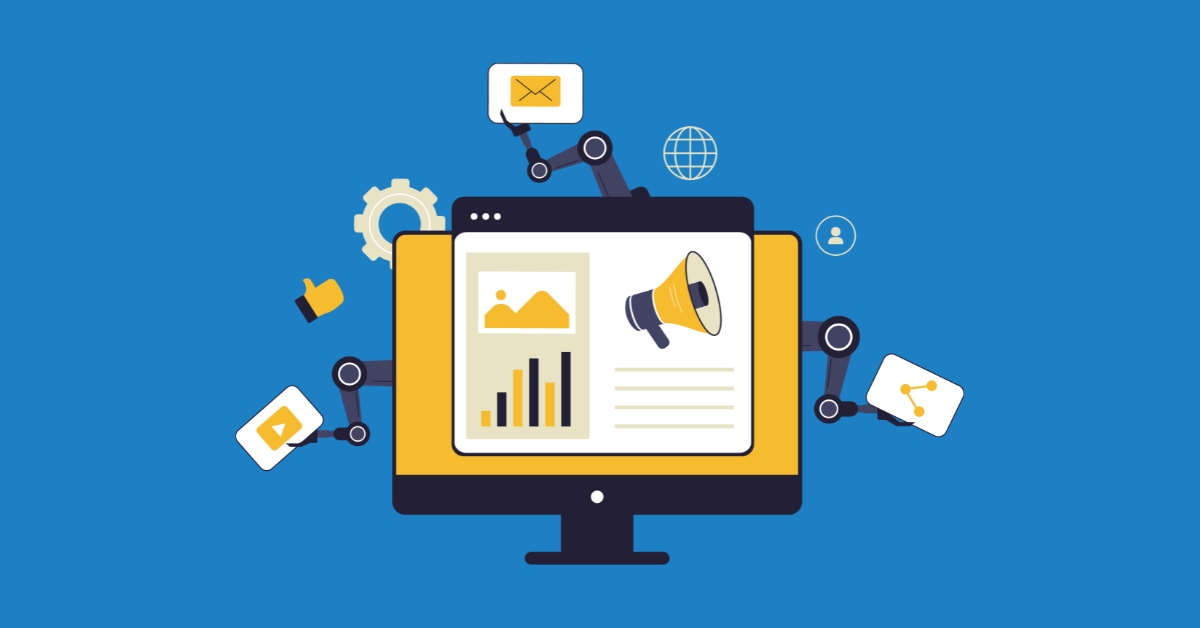
Marketing automation is transforming how businesses engage with their customers and streamline marketing efforts. It involves using software to automate repetitive tasks such as email campaigns, social media posting, and customer segmentation. The primary goal is to save time, improve efficiency, and deliver personalized experiences to customers at scale. Here’s a breakdown of what marketing automation is, how it works, and why every business should consider implementing it.
1. What is Marketing Automation?
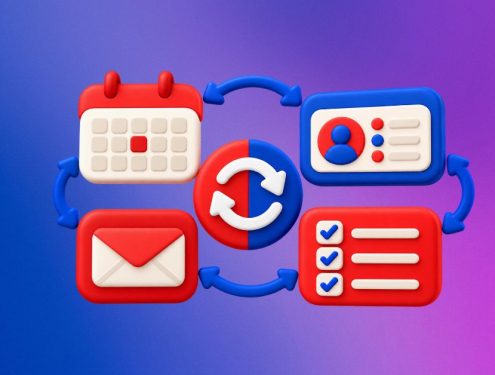
Marketing automation refers to the use of technology and software to automate tasks that would otherwise be time-consuming. This could include automating email campaigns, social media posts, website updates, lead scoring, and customer data management. The software is designed to handle these repetitive tasks, freeing up time for marketing teams to focus on strategy and creative efforts. Marketing automation tools often integrate with other platforms like Customer Relationship Management (CRM) systems to track customer behavior and engagement.
2. How Does Marketing Automation Work?
At its core, marketing automation is about sending the right message to the right person at the right time. Here’s how it typically works:
Customer Segmentation: Marketing automation tools segment your audience based on factors like demographics, behavior, and interests. This segmentation allows businesses to send tailored content to different groups, increasing relevance and engagement.
Trigger-Based Campaigns: Automation allows marketers to set triggers based on specific actions or behaviors. For example, if a customer abandons their shopping cart, an automated email can be triggered to remind them to complete the purchase. Similarly, a welcome email series can be automatically sent to new subscribers.
Personalized Content: Through data collection and analysis, automation software can personalize content based on customer preferences. This could be in the form of personalized product recommendations, tailored email offers, or dynamic website content that changes based on the user’s behavior.
Lead Scoring and Nurturing: Automated systems track customer interactions, assign scores to leads based on their behavior, and nurture them until they are ready to make a purchase. For instance, if a lead engages with your content or visits your pricing page, they might be scored higher and sent targeted follow-up emails.
3. Benefits of Marketing Automation
Saves Time: By automating repetitive tasks, teams can focus on strategy and creative content.
Improves Efficiency: Automation ensures campaigns are consistent and run smoothly without manual intervention.
Enhances Personalization: By leveraging customer data, brands can create highly personalized experiences.
Boosts Conversion Rates: Automated, targeted campaigns lead to higher engagement, driving more conversions.
Conclusion
Marketing automation is a game-changer for businesses looking to enhance their marketing efforts without increasing workload. By streamlining processes, automating tasks, and delivering personalized content, companies can create a more efficient, effective, and customer-centric approach to marketing.
#MarketingAutomation #DigitalMarketing #CustomerEngagement #LeadGeneration #MarketingTools #BusinessEfficiency #EmailMarketing #CRM #PersonalizedMarketing #AutomationBenefits