

Introduction
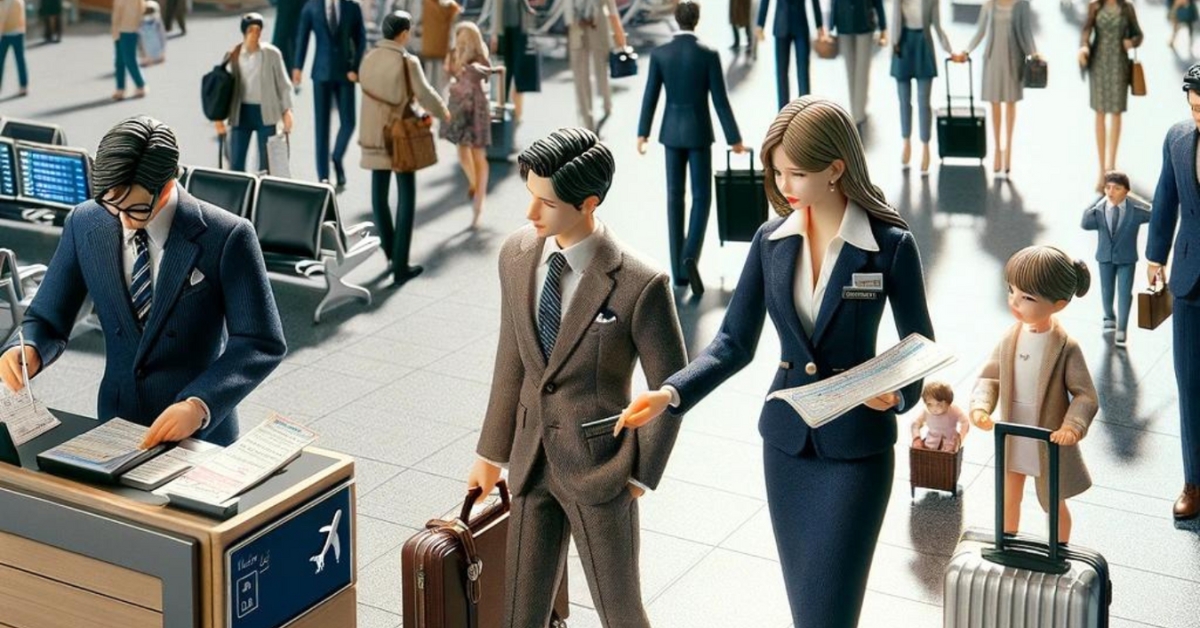
The aviation industry, characterized by its complexity and the necessity for impeccable timing and coordination, is embracing the integration of personal assistants to enhance operational efficiency and customer satisfaction. These personal assistants, both in digital and human forms, are transforming air travel by streamlining processes and creating a more personalized experience for travelers.
The Need for Personal Assistants in Aviation
Air travel involves multiple stakeholders, including passengers, crew members, airport staff, and airline operators, each requiring timely and accurate information to ensure smooth operations. Personal assistants help coordinate these multifaceted interactions, significantly reducing the likelihood of errors and delays.
Roles of Personal Assistants in Air Travel
- Passenger Assistance: Personal assistants provide travelers with real-time travel updates, gate changes, and boarding notifications. They can also assist with check-in processes, baggage tracking, and answering travel-related queries, enhancing the overall passenger experience.
- Crew Coordination: For airline crews, personal assistants optimize scheduling and rostering, help with route planning, and ensure compliance with aviation regulations. They facilitate seamless communication between the cockpit, cabin crew, and ground staff, critical for operational success.
- Maintenance and Logistics: Personal assistants can track maintenance schedules, manage inventory of spare parts, and ensure all logistical aspects align with flight schedules. They assist in preempting potential issues by maintaining rigorous checks, thus avoiding unexpected delays.
Implementing Personal Assistants in Air Travel
To effectively integrate personal assistants in aviation, several steps can be considered:
- Identify Key Touchpoints: Determine the stages of air travel that can benefit most from personal assistant interventions, such as ticket booking, pre-flight, in-flight, and post-flight stages.
- Customize Solutions: Tailor personal assistant capabilities to meet the specific needs of different users, like passengers, crew, and ground staff.
- Ensure Interoperability: Personal assistants should be compatible with existing aviation management systems to ensure seamless integration and data sharing.
- Focus on Security and Privacy: Implement robust security measures to protect sensitive information handled by personal assistants, adhering to international data protection regulations.
Benefits of Having Personal Assistants in Aviation
- Enhanced Passenger Experience: By providing timely and accurate information and handling routine inquiries, personal assistants free up human staff to handle more complex passenger needs, thereby improving service quality.
- Increased Operational Efficiency: Automating routine tasks reduces the workload on human staff, decreases the chances of human error, and speeds up the overall process.
- Improved Crisis Management: In unexpected situations, such as delays or emergencies, personal assistants can quickly provide passengers and staff with critical updates and instructions, improving response times and coordination.
Challenges and Future Outlook
Integrating personal assistants into the aviation industry presents challenges like security and employee resistance. However, as AI evolves, these can be mitigated. Successful integration leads to increased efficiency, cost reduction, and an improved travel experience.
In conclusion, personal assistants in air travel not only promise improved efficiency and coordination but also offer a significant leap towards more responsive and passenger-friendly air travel services.
#AviationTech #PersonalAssistants #AirTravel #Airlines #AirportOperations #TravelTech #CustomerService #OperationalEfficiency #AIInAviation #FutureOfTravel