Government Operations: Enhancing Efficiency with Personal Assistance Services


Government agencies are integrating personal assistance services into operations to enhance productivity and service delivery as public demands increase and resources are limited. This innovative solution streamlines processes and improves public service quality.
Personal assistants help streamline daily operations by taking on routine tasks such as scheduling, data entry, and document management. This allows government employees to focus on higher-level duties that require human expertise, thus maximizing their productivity and effectiveness.
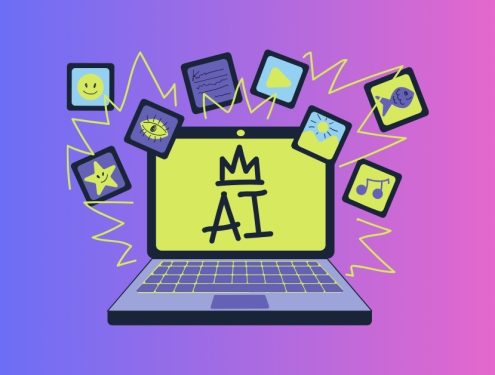
Errors can be costly in government work, leading to delays, misinformed decisions, and public dissatisfaction. Personal assistants, particularly AI-based systems, can help reduce errors by automating data processing and ensuring that records are kept accurately and consistently.
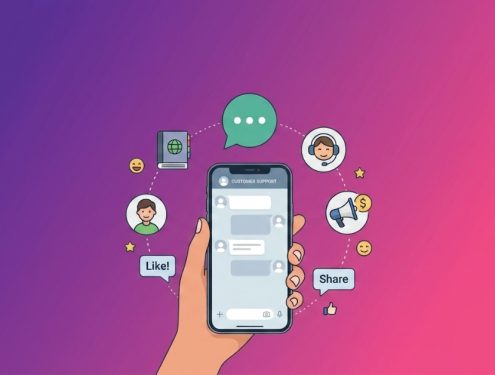
Personal assistants can also play a crucial role in managing public interactions. For instance, AI-powered chatbots can handle basic inquiries 24/7, providing immediate responses to citizen queries. This not only improves the accessibility of government services but also frees up human staff to deal with more complex issues that may require personal attention.
Although there’s an initial investment involved in implementing personal assistance services, the long-term savings are significant. By automating routine tasks and improving workflow efficiency, governments can reduce labor costs and reallocate resources to areas that need more investment.
The first step in integrating personal assistance services is to identify the specific needs of an agency. This involves understanding where bottlenecks occur and what tasks consume disproportionate amounts of time.
Not all personal assistance services are created equal. The choice between human assistants, software solutions, or a combination of both depends on the specific requirements of the agency. For repetitive tasks and data management, software solutions may be more efficient, whereas tasks requiring interpersonal skills and decision-making may still need human oversight.
For personal assistance services to be effective, proper training and adaptation are crucial. Employees need to understand how to best utilize these services to complement their workflow. Additionally, regular feedback mechanisms should be in place to continuously refine the integration of these services.
After implementation, it’s important to regularly evaluate the effectiveness of personal assistance services. This involves assessing improvements in efficiency, cost savings, and public satisfaction. Based on these evaluations, the services can be scaled up or adjusted to maximize benefits.
The integration of personal assistance services into government operations is a forward-thinking strategy that enhances efficiency, accuracy, and engagement, with technology’s evolution promising a more responsive, reliable, and efficient future.
#GovernmentEfficiency #PublicService #PersonalAssistance #DigitalTransformation #AIinGovernment #PublicSectorInnovation #OperationalEfficiency #GovernmentTechnology #SmartGovernance #PublicAdministration