

Introduction
Customer journey analytics helps marketers understand customer interactions from initial touchpoint to conversion, providing insights into behavior and preferences. Strategic applications can optimize experiences, boost conversions, and strengthen customer relationships.
1. Map Out the Customer Journey
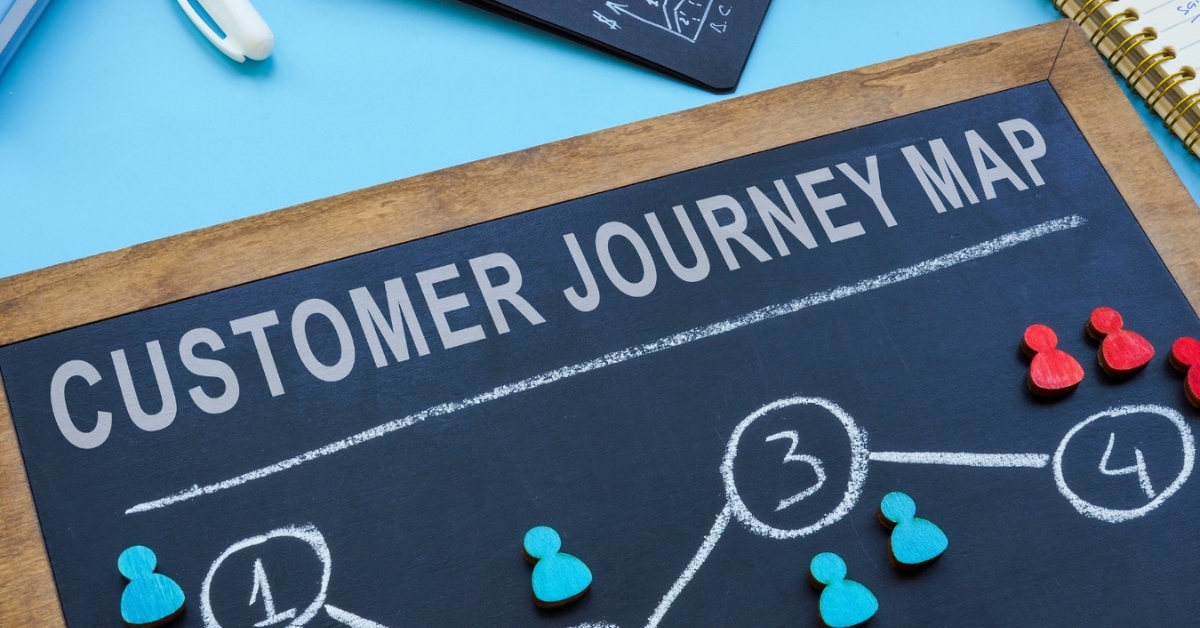
The first step to using customer journey analytics effectively is to map out each customer journey stage. Identify all touchpoints, such as website visits, social media interactions, email opens, and ad clicks. By understanding customers’ full path from discovery to purchase, you can pinpoint key moments that influence conversions.
Tip: Use analytics tools to visualize this journey, identifying common patterns and paths. This data will help you understand which touchpoints are most effective and which may need improvement.
2. Identify Drop-Off Points
Journey analytics can reveal where potential customers are losing interest or abandoning the conversion path. For instance, you might notice high bounce rates on a landing page or abandoned carts during checkout. By identifying these drop-off points, you can take targeted actions to reduce friction and improve the user experience.
Example: If customers frequently abandon their carts at checkout, consider simplifying the process, offering guest checkout, or providing clear shipping information. Small changes can make a big difference in converting these visitors.
3. Personalize the Experience with Segmentation
Customer journey analytics enables segmentation, allowing you to tailor your messaging to specific groups based on their behavior and preferences. By segmenting customers based on their journey stage or engagement level, you can provide personalized experiences that meet their needs and increase the likelihood of conversion.
Example: Send targeted emails to users who visited your pricing page but didn’t convert, offering them a limited-time discount or additional information. Personalizing content based on their journey can effectively nudge them toward purchasing.
4. Optimize Messaging at Key Stages
Analyze each stage of the journey to identify which messages work best at different touchpoints. Customer journey analytics can reveal what types of content (e.g., product reviews, testimonials, tutorials) influence conversions. Use this insight to deliver the right messages at the right time through email, ads, or website content.
Tip: Create specific messaging for each stage—awareness, consideration, and decision. Highlight benefits in the awareness stage, showcase social proof in the consideration stage, and offer discounts or incentives at the decision point.
5. Test, Refine, and Repeat
Customer journey analytics is an ongoing process. Review and analyze your data regularly to identify new opportunities for improvement. A/B testing different strategies at various touchpoints allows you to refine your approach and continuously optimize the journey to boost conversions.
Example: Test variations of landing pages, checkout processes, or CTAs to see which versions perform best. Use the insights to make data-driven changes.
Conclusion
Customer journey analytics enhances the customer experience by mapping journeys, identifying drop-offs, personalizing messaging, and optimizing touchpoints. It boosts conversions and builds a customer-centric strategy.
#CustomerJourney #CustomerJourneyAnalytics #BoostConversions #MarketingAnalytics #CustomerExperience #ConversionOptimization #DataDrivenMarketing #Personalization #CustomerInsights #CX