


Introduction
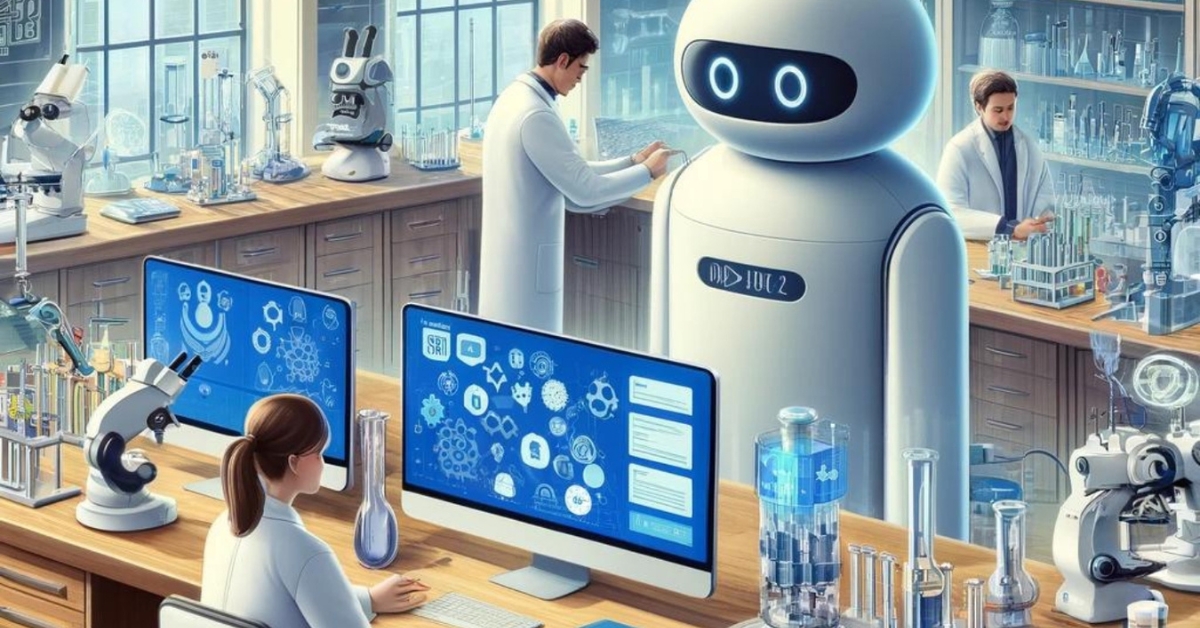
Personal assistants are increasingly being integrated into scientific research facilities to enhance efficiency and organization. These assistants handle administrative tasks, manage data, and assist with procedural duties, contributing significantly to scientific advancements and reducing setbacks in dynamic laboratories.
Streamlining Administrative Tasks
Task Management
In any lab, administrative tasks can be as time-consuming as they are necessary. Personal assistants help streamline these duties, which include scheduling meetings, managing correspondence, and organizing documents. By handling such tasks, assistants free up researchers to focus more on their experiments and data analysis, thus optimizing lab productivity.
Grant and Manuscript Preparation
Securing funding and publishing results are crucial components of scientific research. Personal assistants can help prepare grant applications and proofread manuscripts, ensuring that these documents are polished and submitted on time. This support is invaluable, as it enhances the likelihood of funding and publication, which are critical for the continuation and recognition of research.
Enhancing Data Management
Data Collection and Organization
Scientific research generates vast amounts of data that need to be meticulously collected, organized, and stored. Digital personal assistants, particularly those equipped with AI capabilities, can automate data entry and manage large databases. They can tag and organize data efficiently, reducing the likelihood of errors and improving accessibility for future analysis.
Statistical Analysis and Reporting
Some advanced digital assistants are capable of performing basic statistical analyses and generating reports. These tools use algorithms to identify trends and patterns in data, which can help researchers draw preliminary conclusions or decide on the next steps for their experiments.
Supporting Experimental Procedures
Protocol Management
Personal assistants can help manage and document experimental protocols, ensuring that all procedures are followed precisely. This is particularly useful in labs with high turnover rates or those that conduct multiple, complex experiments concurrently. Having a clear, accessible record of protocols increases reproducibility and reliability in scientific experiments.
Inventory Management
Managing lab inventory is critical but cumbersome. Personal assistants can monitor the usage and reorder supplies as needed. This proactive management prevents the disruption of research activities due to shortages of necessary materials, such as reagents or specific tools.
Facilitating Communication and Collaboration
Coordination Across Teams
In multidisciplinary research projects, coordination between various teams can be challenging. Personal assistants help schedule and organize meetings and facilitate communication across different groups. This ensures that all team members are aligned with the project’s objectives and remain updated on progress and changes.
External Communication
For research teams that collaborate with external entities like other research institutes or industry partners, personal assistants manage these communications efficiently. They help organize collaboration meetings, prepare update reports, and ensure that all stakeholders are kept in the loop, facilitating smoother collaborative efforts.
Conclusion
Personal assistants are transforming scientific laboratories by assisting with administrative tasks, data management, and experimental procedures. They enhance productivity and success in scientific endeavors. As technology advances, their potential to take on more complex roles in research will expand, revolutionizing research and accelerating progress.
#ScientificResearch #LabManagement #ResearchInnovation #PersonalAssistants #DataManagement #AcademicPublishing #CollaborativeResearch #LabEfficiency #ScientificAdvancements #TechnologyInScience