

Introduction
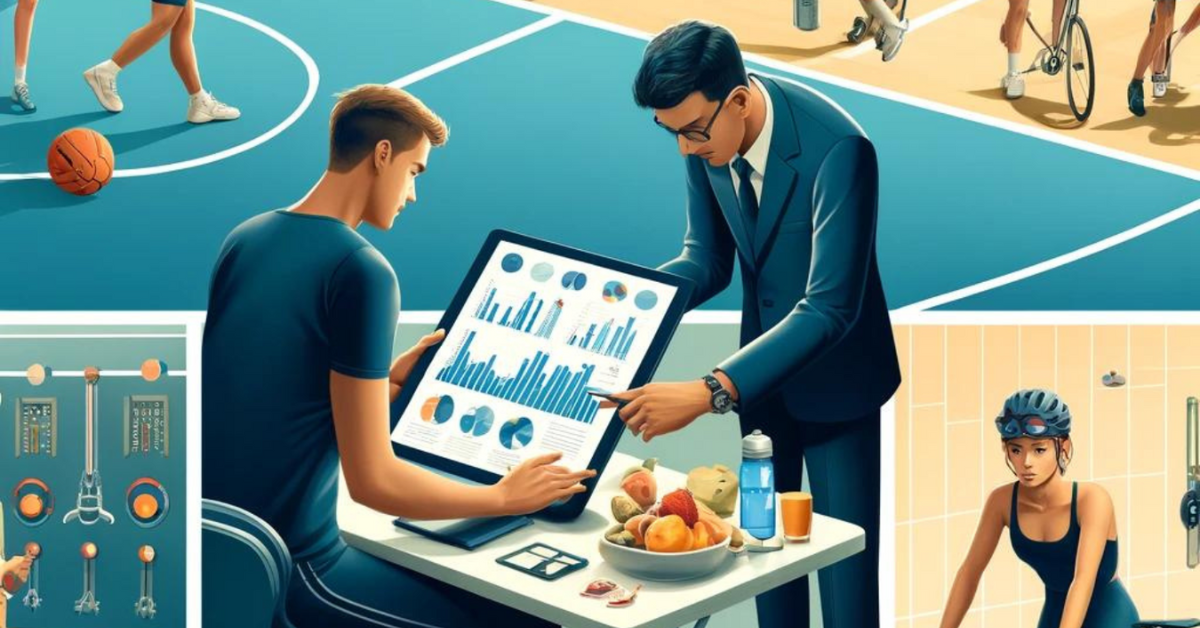
Personal assistants in sports are revolutionizing athlete support, enhancing training, competition, and recovery, and managing schedules, training regimens, and overall well-being, thereby achieving sports management excellence.
The Value of Personal Assistants in Sports
Personal assistants provide a unique blend of support that is tailored to the needs of individual athletes or sports teams. Here are several key areas where they make a significant impact:
- Scheduling and Logistics: Personal assistants handle the complex logistics of athletes’ schedules, including training sessions, competitions, travel arrangements, and media appearances. This meticulous management ensures athletes can focus on what they do best—perform.
- Training Optimization: AI-driven personal assistants can analyze performance data to provide insights and recommendations for training improvements. They monitor progress over time and can adjust training plans in real-time to optimize athletes’ performance.
- Diet and Nutrition Management: Personal assistants help in planning and tracking athletes’ dietary needs. They ensure that nutritional plans support athletes’ training regimes and recovery, tailored to their specific physical demands and preferences.
- Injury Prevention and Recovery: By keeping track of athletes’ health data, personal assistants can flag potential injury risks and ensure that proper preventive measures are taken. They also coordinate recovery protocols and can schedule treatments with physical therapists and medical professionals as needed.
Implementing Personal Assistants in Sports Management
To effectively incorporate personal assistants into sports management, consider the following steps:
- Assess Specific Needs: Each sport and athlete has unique requirements. Understanding these needs is crucial for determining how a personal assistant can best provide support.
- Choose the Right Type of Assistant: Decide whether a human personal assistant, an AI system, or a combination of both will best meet the athlete’s needs.
- Ensure Data Accuracy: For AI-driven assistants, the quality of insights and recommendations depends on the accuracy of the data collected. Implementing reliable data collection methods is essential.
- Focus on Personalization: Personal assistants should be tailored to the specific preferences and priorities of the athlete to truly enhance their performance and well-being.
Benefits of Personal Assistants in Sports
- Enhanced Performance: By managing non-sporting responsibilities, personal assistants allow athletes to concentrate fully on their training and competition, potentially enhancing performance outcomes.
- Reduced Stress: Athletes often face immense pressure and stress. Personal assistants can alleviate some of this pressure by handling day-to-day tasks and logistics, allowing athletes to maintain a better mental focus.
- Improved Health and Longevity in Sports: Effective management of diet, training, and recovery schedules contributes to better overall health and can extend an athlete’s career.
Conclusion
Personal assistants are becoming an integral part of sports management, offering a competitive edge by enhancing the efficiency of training, performance, and recovery processes. As technology advances, their role in supporting athletes is expected to grow, marking a new era in sports management excellence.
#SportsManagement #AthleteSupport #PersonalAssistants #SportsTechnology #PerformanceEnhancement #AthleticCare #SportsInnovation #TrainingOptimization #SportsNutrition #InjuryPrevention